Smart Pantry System: Ways to Reduce Food Waste at Home
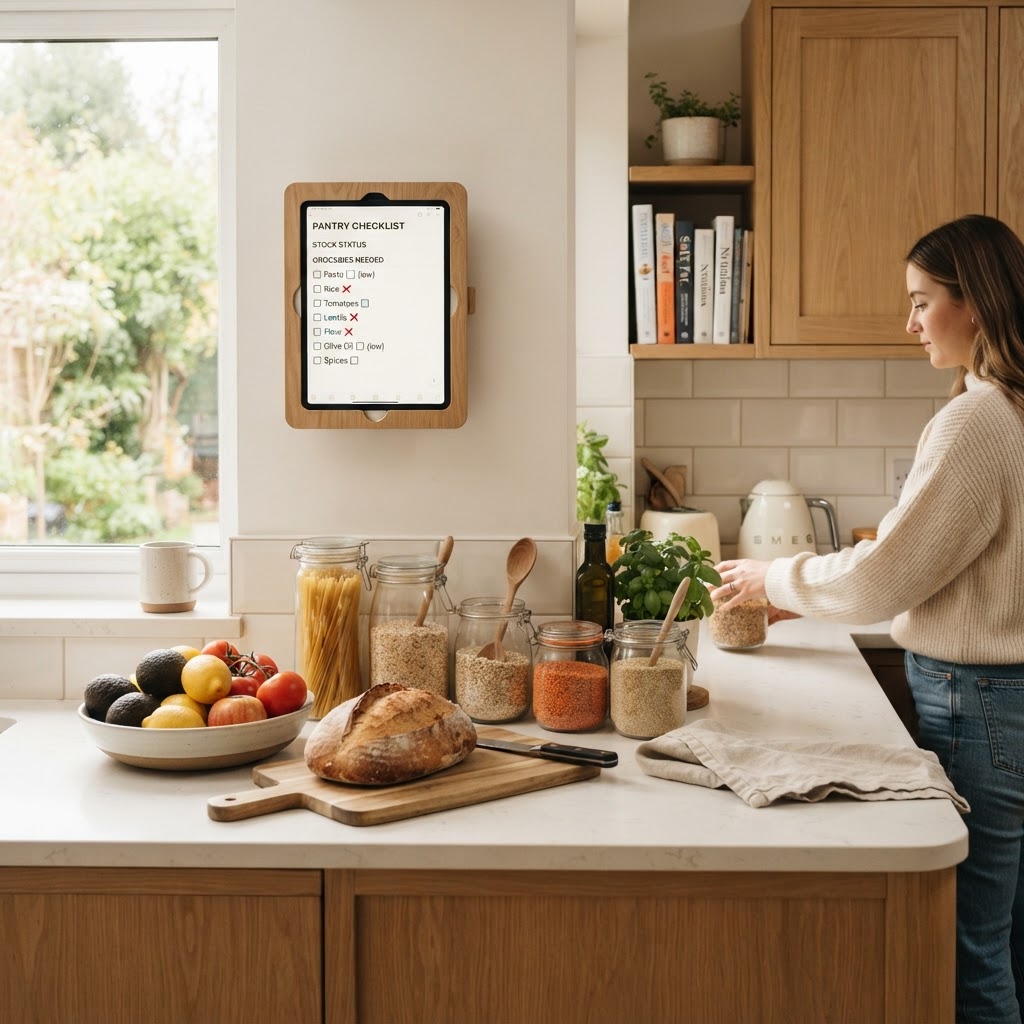
Food waste often starts with something simple: buying food that is already in the cupboard, forgetting what is in the fridge or discovering that an item has passed its use by date. Knowing what you already own can make shopping and meal planning easier.
Start by knowing what you have
It can also make routine shopping less repetitive because you can check your existing stock before deciding what belongs on the next grocery list for the household.
A useful grocery record is a good starting point. A digital system can turn purchases into an inventory that is easy to check before shopping.
An intelligent shopping inventory system takes this idea further by allowing groceries to be scanned and added to virtual cupboards. Instead of relying on memory, you have a clearer picture of what is available at home.
This is helpful when several people buy food. Before adding another packet of pasta or tin to the trolley, you can check whether you already have one waiting at home.
Use what you have before buying more
Meal planning can mean looking at ingredients you already have and finding a useful way to combine them.
Scana is built around this approach. Its system lets users search recipes from their existing inventory. That can make meal choices easier while giving forgotten ingredients a better chance of being used.
This is where digital pantry management becomes useful. Rather than treating recipes and shopping as separate tasks, your existing food can help shape what you cook next.
Keep an eye on dates
For many households, food gets wasted because it is forgotten rather than deliberately thrown away. Keeping track of use by dates can help bring those items back into view before they are no longer suitable to use.
A simple habit can make a difference. When groceries are added to your inventory, check dates regularly and consider which foods need attention first. Planning meals around those items can help reduce unnecessary waste.
The aim is to make food at home easier to see and use.
Make your next shop more considered
A zero-waste grocery system does not need to mean never throwing food away. It is about making better decisions when you shop. Checking your inventory can help you avoid duplicates and buy realistic quantities.
This can also help reduce food waste at home while potentially saving money. Fewer forgotten items mean more of what you buy is used.
A practical habit that can add up
No single trick eliminates household food waste. Knowing what you have, checking dates and choosing meals around existing ingredients can make waste less likely.
For households seeking practical ways to reduce food waste, a digital inventory can bring these habits together. Scana combines grocery scanning, virtual cupboards, recipe searches and date management in one approach.
Whether you call it a smart pantry system or a zero waste grocery system, the principle is straightforward: use what you already have before buying more.